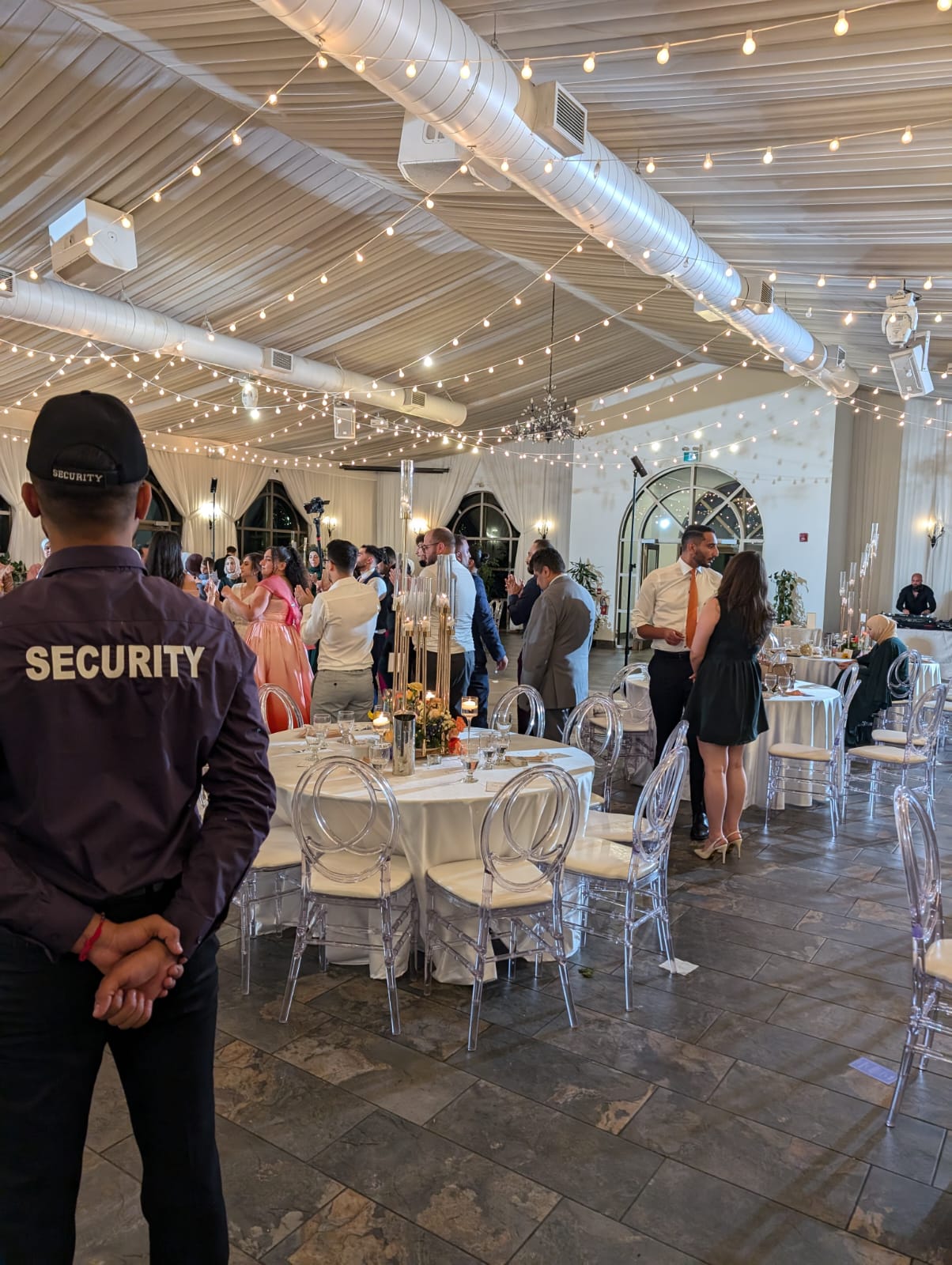
Organizing an event—whether it’s a conference, concert, corporate gathering, or private celebration—requires careful planning, coordination, and a strong focus on safety. One of the most crucial elements behind any successful event is Event Security. When handled professionally, it not only safeguards attendees but also ensures operations flow as planned, giving organizers peace of mind and guests a memorable, stress-free experience.
In today’s world, events face a wide range of potential risks, including overcrowding, unauthorized access, health emergencies, theft, and disruptions. This is why Event Security has evolved into a comprehensive and strategic part of the event planning process. It is no longer just about placing guards at entrances; it involves advanced preparation, risk assessments, crowd management strategies, and real-time response systems.
This blog explores how Event Security ensures a safe, smooth experience for everyone involved and why partnering with professionals is essential.
Understanding the Importance of Event Security
Events bring people together, and wherever large groups gather, security challenges naturally increase. Adequate Event Security works proactively to prevent issues before they occur. Instead of reacting to crises, trained personnel anticipate potential problems and address them early.
A strong Event Security plan ensures:
- Controlled access to all event zones
- Prevention of unauthorized entries
- Quick detection of suspicious behaviour
- Immediate resolution of conflicts
- Coordination with event staff and emergency responders
These components work together to build an environment where attendees feel comfortable, safe, and able to enjoy the event fully.
Key Ways Event Security Creates a Smooth Experience
Professional Event Security teams ensure seamless event operations through structured procedures and strategic placement. Let’s break down the significant ways in which security professionals elevate event management.
1. Thorough Risk Assessment and Planning
Before an event begins, security experts conduct risk assessments to identify vulnerabilities specific to the venue and event type. This planning stage is where Event Security sets the foundation for a smooth experience.
Risk assessments usually evaluate:
- Venue size, layout, and exits
- Expected crowd size and demographics
- Potential hazards or high-risk zones
- Emergency response accessibility
By identifying these factors early, security teams can prepare targeted strategies that eliminate potential challenges.
2. Effective Crowd Management
Crowd control is one of the most crucial functions of Event Security. Poorly managed crowds can lead to bottlenecks, frustration, and even dangerous situations. Professional Security ensures efficient attendee flow from entry to exit.
Event Security teams manage crowds by:
- Guiding guests through proper entry lanes
- Ensuring orderly ticket checks
- Preventing overcrowding in sensitive zones
- Maintaining clear emergency exits
- Monitoring behaviour in high-density areas
These measures keep the event environment calm, organized, and enjoyable.
3. Access Control and Credential Verification
Unauthorized access poses a significant risk to any event. Strong access control helps maintain order and protect both guests and private event areas.
Event Security ensures that only authorized individuals enter designated areas, such as backstage, VIP lounges, or staff-only sections.
Security personnel oversee:
- Ticket scanning
- ID verification
- Wristband or badge checks
- Monitoring restricted zones
These practices significantly reduce the chances of disruptions or security breaches.
4. Professional Response to Emergencies
Whether it’s an injury, sudden illness, fire alarm, or other unexpected incident, the presence of trained Event Security makes all the difference.
Security professionals are trained to respond quickly, calmly, and effectively. Their responsibilities include:
- Providing first-aid support until medical help arrives
- Coordinating evacuations when necessary
- Guiding people away from danger
- Communicating with law enforcement or emergency responders
Having knowledgeable staff on-site ensures emergencies are handled without chaos, preserving the event’s safety and stability.
5. Visible Security Presence for Deterrence
A visible Event Security presence is one of the most effective ways to deter unwanted behaviour. When attendees notice skilled personnel actively patrolling, the likelihood of misconduct decreases significantly.
Security visibility contributes to:
- Reducing theft
- Minimizing conflicts
- Discouraging vandalism
- Preventing unauthorized access
This layer of reassurance helps attendees feel protected and relaxed throughout the event.
6. Technology Integration for Enhanced Monitoring
Modern events increasingly rely on technology alongside human personnel. Many Event Security plans incorporate tools such as:
- Surveillance cameras
- Access control systems
- Metal detectors
- Communication devices
- Incident reporting software
Technology enhances accuracy and provides real-time insight, helping security teams respond faster and more efficiently.
7. Coordination With Event Management Teams
Security does not operate alone; collaboration is vital. Adequate Event Security works seamlessly with event organizers, vendors, stage crews, and venue staff to maintain a unified strategy.
This teamwork ensures:
- Smooth scheduling and setup
- Clear communication channels
- Rapid problem resolution
- Consistent enforcement of event policies
A coordinated approach prevents confusion and enhances the event's overall flow.
Additional Specialized Security Support for Events
While Event Security is the primary focus for event safety, other specialized services can further strengthen protection depending on the event’s nature.
- Security Services are often integrated into significant events requiring extended safety measures or multiple security layers.
- VIP Protection may be necessary when high-profile guests or performers attend.
- Residential Security is sometimes needed for private events hosted at personal estates.
- Mobile Patrol can support large outdoor venues or multi-location events requiring regular vehicle-based monitoring.
Each of these specialized solutions can be tailored to complement Event Security operations and elevate the overall safety strategy.
Building a Positive Guest Experience Through Event Security
Event organizers often fear that security presence might make an event feel restrictive. However, the opposite is true when handled professionally. Adequate Event Security is discreet yet attentive, allowing guests to enjoy themselves without feeling watched or controlled.
The presence of security offers:
- A welcoming atmosphere
- Prompt support when needed
- Reduced stress for hosts and organizers
- Confidence in the event’s safety protocols
When guests feel secure, they are more engaged, relaxed, and satisfied with their experience.
Why Professional Event Security Matters More Than Ever
The event landscape has changed dramatically in recent years. With rising safety expectations and evolving risks, professional Event Security is now a standard—not an optional add-on.
Choosing a trusted security provider ensures:
- Access to trained, certified personnel
- Advanced strategies and technologies
- Comprehensive pre-event and post-event planning
- Quick adaptation to unexpected situations
A strong security team helps maintain order, protect assets, and create a safe atmosphere where events can flourish.
Conclusion
A safe and successful event requires more than good planning and entertainment—it requires strong, reliable Event Security. From crowd management and access control to emergency response and deterrence, trained security professionals play an essential role in ensuring everything runs smoothly.
Events are moments meant to be enjoyed, celebrated, and remembered. With proper Event Security, both organizers and attendees can focus on what truly matters: creating meaningful, positive experiences in a secure environment.